In short
- Winter season is May to October.
- You need crampons and an ice axe.
- Guided tours are highly recommended for safety.
In this article
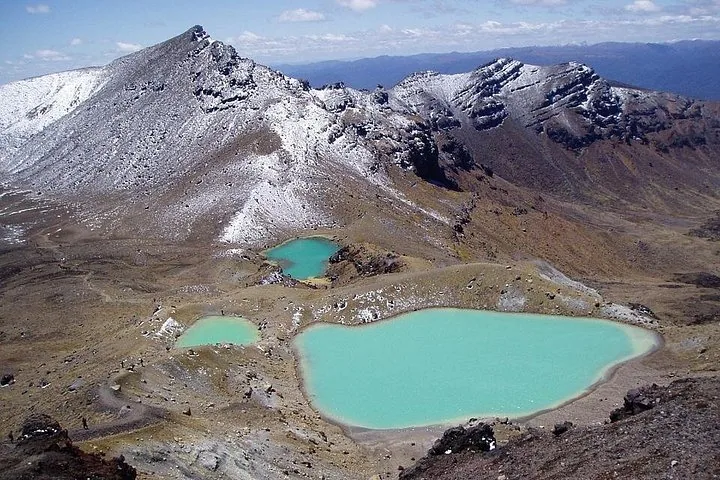
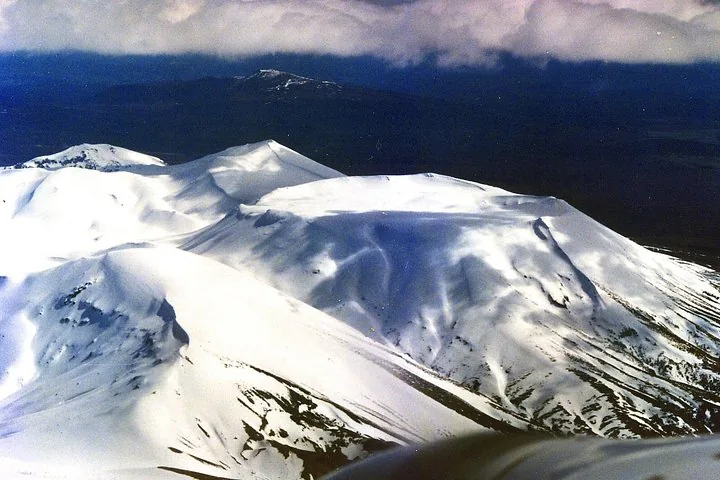
During the winter months, snow and ice cover the Tongariro Alpine Crossing. You must be prepared for severe weather risks and freezing temperatures. If you do not have advanced alpine experience, booking a guided tour is essential.
Can I hike the Tongariro Crossing in winter?
Yes, but it is an advanced alpine route from May to October.
The standard summer hiking season runs from November to April. Once winter arrives, the track is no longer a standard walk. It demands specialized skills, equipment, and a high level of fitness.
What gear do I need for a winter crossing?
You must carry an ice axe and crampons.
Standard hiking boots and a raincoat are not enough. You need full alpine gear to safely navigate the snow and ice. This includes heavy-duty waterproof layers, thermal clothing, and navigation tools.
- Ice axe
- Crampons
- Waterproof and windproof outer layers
- 2-3 thermal base layers
Do I need a guide in winter?
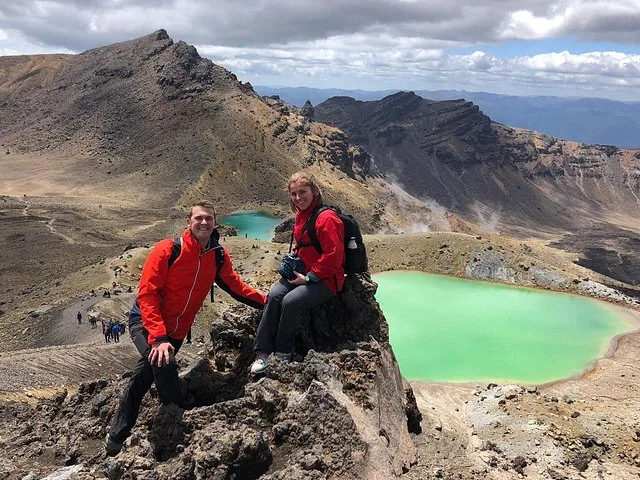
Yes, hiring a guide is highly recommended if you lack alpine experience.
A guided tour provides the necessary safety equipment, including crampons and ice axes. Professional guides understand the local weather patterns and know how to navigate the track safely when markers are covered by snow.
What are the weather risks from May to October?
You will face freezing temperatures, high winds, and low visibility.
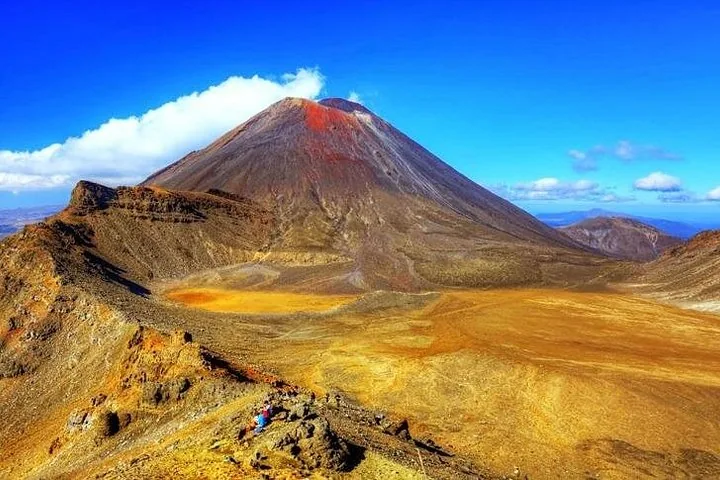
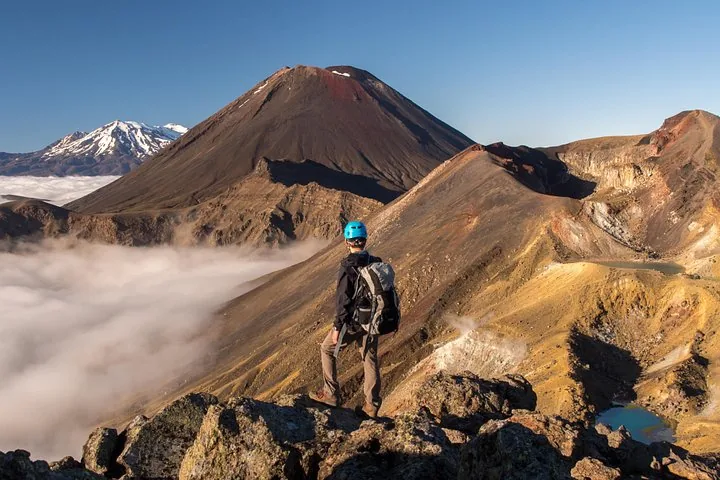
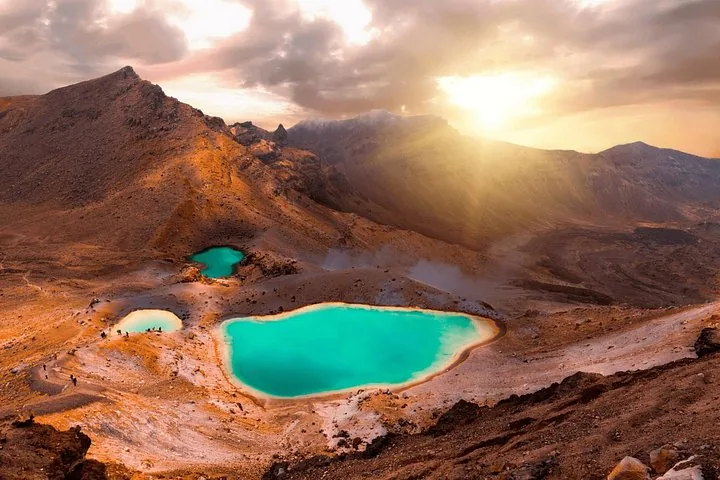
Weather on the crossing changes rapidly. High winds make the exposed areas like the Red Crater and South Crater extremely dangerous. Whiteout conditions can easily disorient hikers.
How does winter affect the track distance and time?
The 19.4-kilometer track takes longer to complete in the snow.
While a summer hike typically takes 6 to 8 hours, walking through snow and ice slows your pace significantly. You must start early to ensure you finish before dark.
Are there parking restrictions in winter?
Parking rules are generally less strict than in summer.
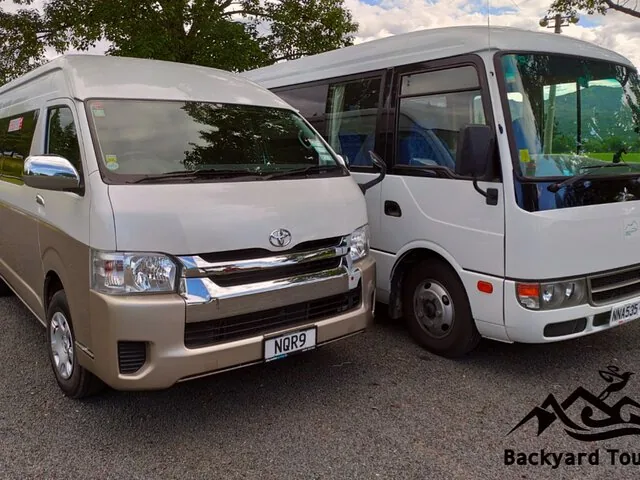
However, shuttle services or guided tours are still the safest and most reliable way to access the trailheads. Many operators provide transport between your base town and the track.
Questions travellers ask
Is the Tongariro Alpine Crossing dangerous in winter?
Yes. The combination of steep ascents, snow, ice, and unpredictable weather makes it a high-risk alpine route. Proper gear and experience are required.
Can beginners hike the crossing in winter?
No. The winter crossing is an advanced alpine route. Beginners should only attempt it with a certified guided tour.
Where can I rent winter gear?
If you book a guided tour, operators typically provide the required crampons and ice axes. You must supply your own sturdy boots and thermal layers.