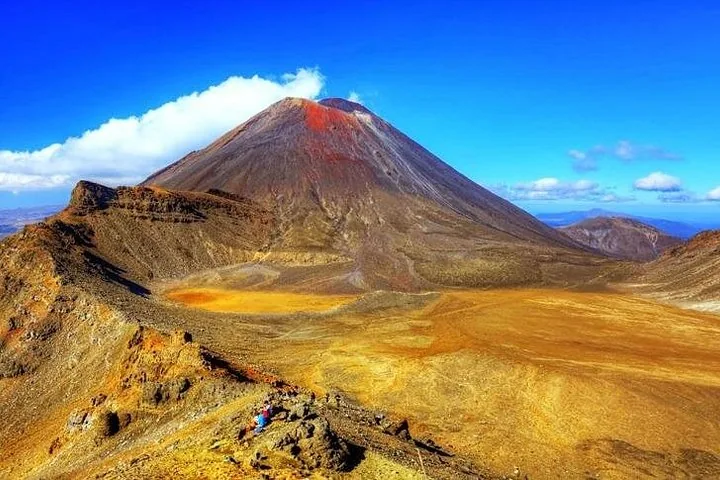
In short
- Waterproof jacket and warm layers
- Sturdy hiking boots and 2-3 liters of water
- Sun protection and high-energy food
In this article
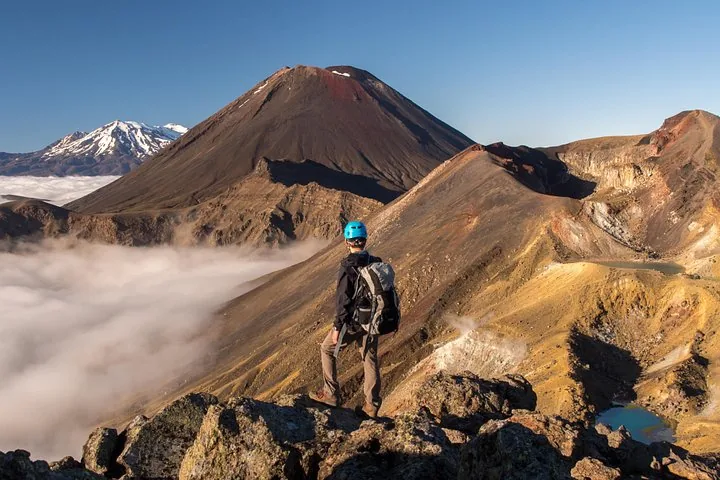
The Tongariro Alpine Crossing is a demanding 6 to 8-hour hike through alpine terrain. Because there is no drinking water or shelter on the track, you must carry everything you need. A thorough Packing Guide ensures you stay safe and comfortable from Mangatepopo Valley to the Ketetahi finish.
What clothing should I wear for the crossing?
Dress in layers and avoid denim or cotton.
You need a waterproof raincoat and a windproof jacket to handle sudden squalls. Wear two to three warm top layers made of fleece, merino wool, or thermal material. Temperatures drop significantly near Red Crater, even in summer. Jeans and sneakers are not suitable for this environment.
What footwear is required?
Sturdy tramping or hiking boots with good ankle support are necessary.
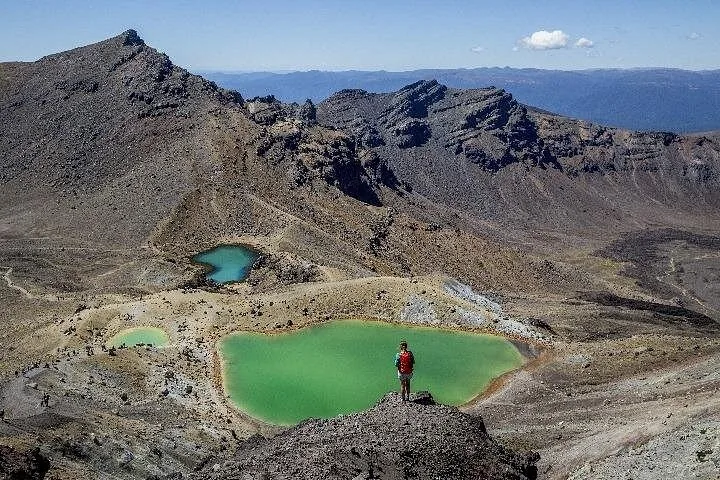
The track features steep climbs, uneven rocks, and a very loose scoria descent from the Emerald Lakes. Hiking boots protect your ankles and provide grip. Sneakers will struggle on the loose gravel and are highly discouraged.
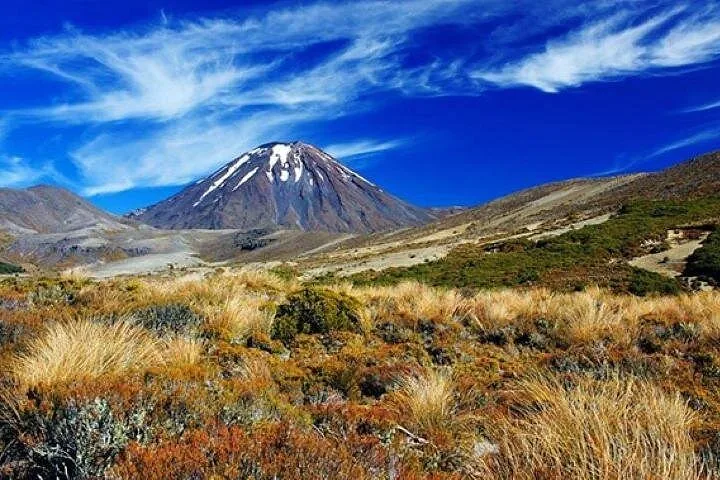
How much food and water do I need?
Pack 2 to 3 liters of water per person and plenty of high-energy food.
There is absolutely no drinking water available anywhere on the track. You will be walking for 6 to 8 hours, so bring enough water to stay hydrated. Pack lunch and high-energy snacks like nuts, fruit, or energy bars.
What sun protection is necessary?
Bring a sun hat, sunglasses, and high-SPF sunscreen.
New Zealand's sun is incredibly harsh, especially at high altitudes. The crossing offers very little shade. Apply sunscreen before you start and reapply during the day. Sunglasses will also protect your eyes from wind and glare.
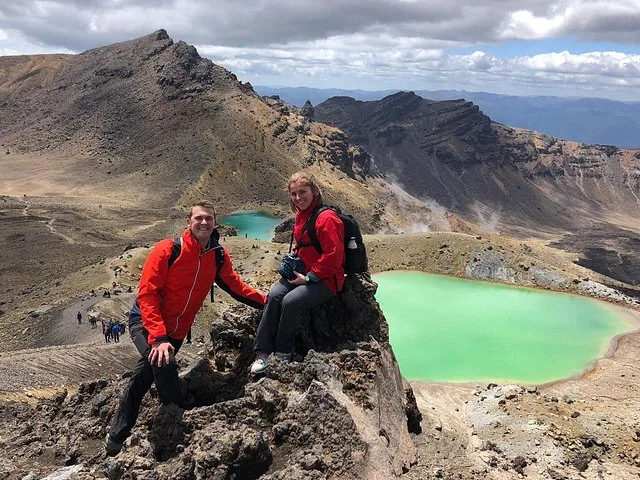
What safety items should I pack?
Carry a first aid kit, head torch, and communication devices.
- Personal first aid kit with blister protection
- Any personal medication you require
- Fully charged mobile phone and a portable power bank
- A head torch (useful for early starts or delays)
- Toilet paper and hand sanitizer
What do I need for a winter crossing?
Winter requires advanced alpine gear, including crampons and an ice axe.
Between May and October, the crossing becomes an advanced alpine route covered in snow and ice. Unless you have significant alpine experience, you should book a guided tour. Operators provide the necessary safety equipment. See Winter hiking for more details.
What about rubbish on the track?
Pack out everything you bring in.
Tongariro National Park operates on a strict "leave no trace" policy. There are no rubbish bins on the track. You must carry all your trash, including food scraps, tissues, and toilet paper, out with you.
Questions travellers ask
Do I need walking poles?
While not strictly required, walking poles are very helpful for the steep descent down the loose scoria from Red Crater to the Emerald Lakes.
Can I buy food or water on the track?
No. There are no shops, cafes, or water sources anywhere on the Tongariro Alpine Crossing. Bring all food and 2-3 liters of water with you.
What if I don't have all the gear?
Some guided tours, like guided group walk, provide clothing and footwear allowances. Otherwise, you may need to rent or buy gear in nearby towns before starting.