In short
- Shuttles often cancel trips if winds or rain make the track unsafe.
- Monitor the official NIWA forecast for the park.
- Always plan a backup day in your itinerary in case of poor weather.
In this article
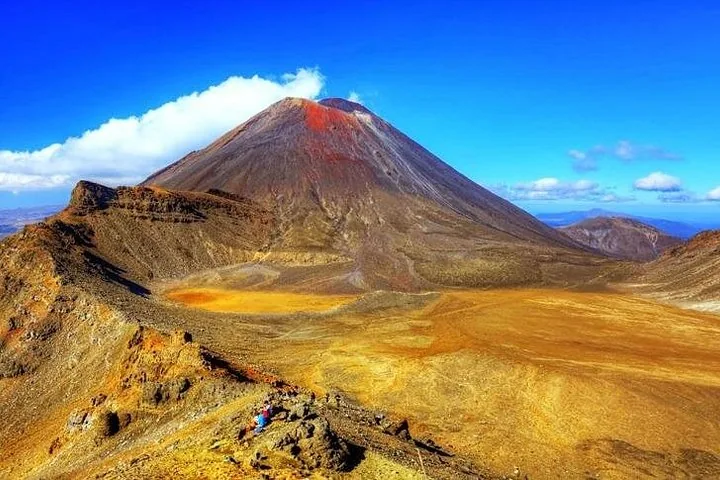
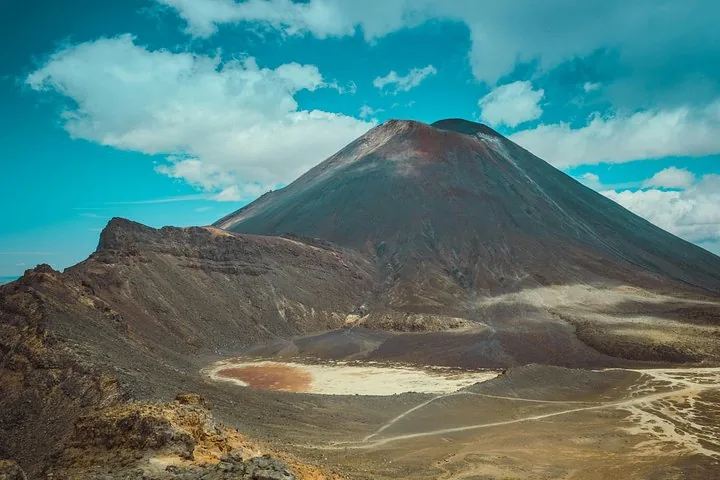
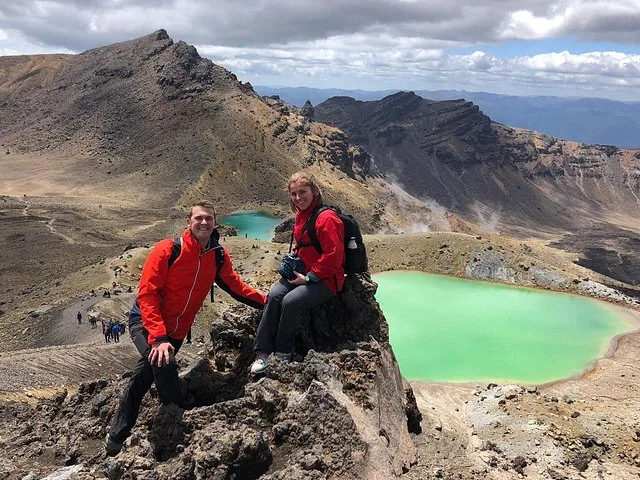
The Tongariro Alpine Crossing reaches an elevation of 1,886 meters (6,188 feet) at Red Crater. High altitudes mean severe winds, cold temperatures, and sudden rain can occur even in summer. If conditions deteriorate, local shuttle operators cancel services to prevent hikers from facing dangerous elements.
How do I check the Tongariro Alpine Crossing weather?
Check the NIWA (National Institute of Water and Atmospheric Research) forecast specifically for Tongariro National Park.
Do not rely on general weather apps for the surrounding towns like Turangi or Taupo. The alpine environment has a distinct climate. Look specifically for wind speeds at higher elevations like Red Crater, as high winds are a major safety risk on the exposed ridges.
What happens if shuttles are cancelled due to weather?
If local operators determine the track is unsafe, they will cancel shuttle services for the day.
Shuttle operators communicate with each other and the Department of Conservation (DOC). If they cancel, it means the risk of walking is too high. You will usually receive a notification early in the morning or the night before. Most reputable companies offer a refund or allow you to move your booking to another day.
Should I plan a backup day?
Yes, always include at least one backup day in your travel itinerary.
Because weather cancellations are common, arriving in the area with a strict one-day window risks missing the hike entirely. Booking your walk for the first available day of your stay allows you to shift it to the next day if a storm passes through.
What are the risks of bad weather on the track?
High winds, freezing temperatures, and zero visibility are the main risks.
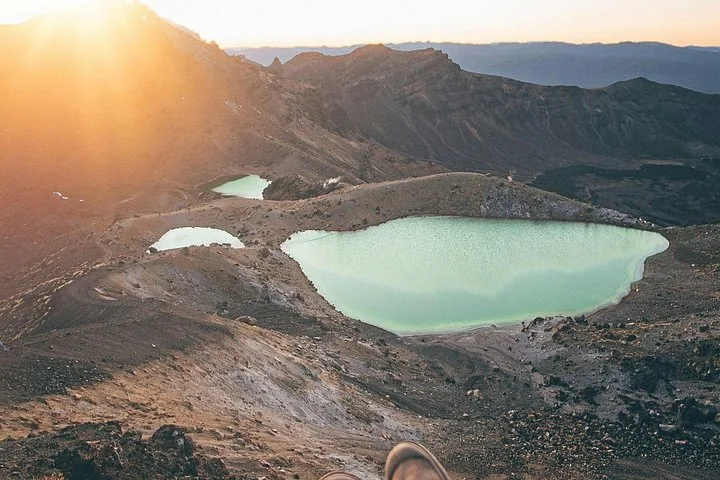
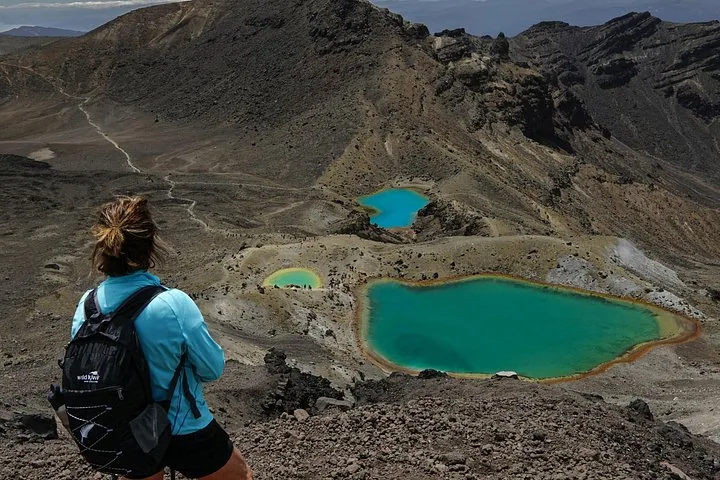
The section near Red Crater and the Emerald Lakes is very exposed. Strong wind gusts can easily blow hikers off balance on the loose scoria gravel. Even in summer, poor weather drops temperatures drastically, leading to hypothermia if you do not have proper waterproof and windproof layers.
Can I go anyway if shuttles are cancelled?
It is highly advised not to walk if shuttles cancel.
Shuttles cancel for safety reasons. Attempting the track by driving yourself during a severe weather warning puts you and potential rescue teams in danger. Furthermore, summer parking at Mangatepopo is restricted to 4 hours, making self-driving for the full 6 to 8-hour hike impossible without a shuttle.
| Condition | Risk Level | Action |
|---|---|---|
| High Winds at Red Crater | Severe | Shuttles likely cancel; do not walk |
| Heavy Rain | High (Hypothermia risk) | Assess gear; operators may cancel |
| Winter conditions (May-Oct) | Extreme without gear | Book a guided tour or avoid |
What happens if the weather turns bad while walking?
You must decide whether to turn back before reaching the halfway point.
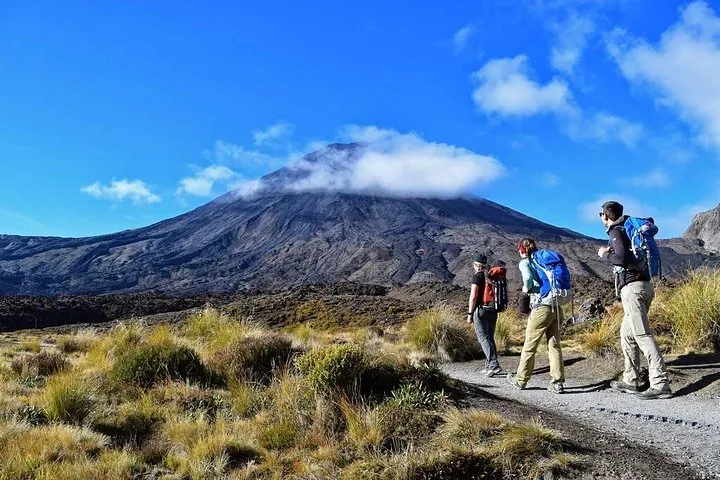
If the weather worsens early in the hike (e.g., at South Crater), turning around and heading back to Mangatepopo is the safest option. Once you pass Red Crater, you are committed to finishing the descent to Ketetahi. Ensure you pack a waterproof raincoat, windproof jacket, and warm layers to handle sudden changes.
Questions travellers ask
Do I get a refund if my shuttle is cancelled for weather?
Most operators provide a full refund or the option to reschedule if they cancel due to unsafe weather conditions. Check your specific ticket terms.
Can I hike the Tongariro Crossing in the rain?
Light rain is manageable with proper waterproof gear. However, heavy rain and wind make the alpine track dangerous, and shuttles will likely cancel.
Is the weather different at the top compared to the start?
Yes. The start at Mangatepopo is 1,120 meters, but Red Crater is 1,886 meters. It will be significantly colder and windier at the top.